English Words
Table of Contents
- 1. insidious drill
- 2. sonnet drill
- 3. conducive drill
- 4. vouch drill
- 5. tepid drill
- 6. unscathed drill
- 7. décolletage drill
- 8. gloat drill
- 9. bloviate drill
- 10. lavor drill
- 11. gracile drill
- 12. effigy drill
- 13. domicile drill
- 14. pestilence drill
- 15. fib drill
- 16. morose drill
- 17. rampant drill
- 18. nauseous drill
- 19. abscond drill
- 20. travesty drill
- 21. reprobate drill
- 22. malfeasance drill
- 23. bona fide drill
- 24. miscreant drill
- 25. imbibe drill
- 26. ravishing drill
- 27. vex drill
- 28. carnal drill
- 29. confide drill
- 30. narcotic drill
- 31. château drill
- 32. numismatics drill
- 33. philately drill
- 34. turbid drill
- 35. doozy drill
- 36. lachrymose drill
- 37. infirmary drill
- 38. lechery drill
- 39. metastasize drill
- 40. discombobulate drill
- 41. integument drill
- 42. feud drill
- 43. contusion drill
- 44. eunuch drill
- 45. vicissitude drill
- 46. incontinence drill
- 47. incorrigible drill
- 48. chagrin drill
- 49. waft drill
- 50. denigrate drill
- 51. indignation drill
- 52. emancipation drill
- 53. enunciate drill
- 54. evict drill
- 55. ode drill
- 56. -ode¹ drill
- 57. -ode² drill
- 58. phallus drill
- 59. sordidity drill
- 60. precipice drill
- 61. curtail drill
- 62. churlish drill
- 63. surly drill
- 64. complicit drill
- 65. pretext drill
- 66. maim drill
- 67. mutilate drill
- 68. somnambulism drill
- 69. benefactor drill
- 70. lascivious drill
- 71. whimsical drill
- 72. leprosy drill
- 73. shed¹ drill
- 74. shed² drill
- 75. fiefdom drill
- 76. giddy drill
- 77. schlong drill
- 78. feral drill
- 79. perfidy drill
- 80. ordination drill
- 81. polemic drill
- 82. tirade drill
- 83. virility drill
- 84. assiduously drill
- 85. inexorably drill
- 86. vis-á-vis drill
- 87. adamantly drill
- 88. oneirology drill
- 89. excursion drill
- 90. ramify drill
- 91. ramification drill
- 92. asphyxiation drill
- 93. congenital drill
- 94. teratogenic drill
- 95. happenstance drill
- 96. corroborate drill
- 97. frond drill
- 98. hitherto drill
- 99. hedge drill
- 100. miscarriage drill
- 101. parasocial drill
- 102. papacy drill
- 103. eviscerate drill
- 104. egregious drill
- 105. syndicate drill
- 106. nix drill
- 107. behead drill
- 108. anorexia drill
- 109. off-putting drill
- 110. inoculate drill
- 111. unapologetically drill
- 112. itinerary drill
- 113. disembowel drill
- 114. pulverize drill
- 115. deflagration drill
- 116. vociferous drill
- 117. vehement drill
- 118. asinine drill
- 119. orifice drill
- 120. fornication drill
- 121. palpable drill
- 122. hubris drill
- 123. carcinogenic drill
- 124. circuitous drill
- 125. feudal drill
- 126. profundity drill
- 127. furlough drill
- 128. staid drill
- 129. bemoan drill
- 130. pontificate drill
- 131. relish drill
- 132. turgid drill
- 133. suprious drill
- 134. breech drill
- 135. careen drill
- 136. levee² drill
- 137. levee² drill
- 138. preposterous drill
- 139. levy drill
- 140. tariff drill
- 141. concussion drill
- 142. impecunious drill
- 143. ferocious drill
- 144. custody drill
- 145. grimace drill
- 146. wince drill
- 147. hogwash drill
- 148. swill drill
- 149. commensurate drill
- 150. clamor drill
- 151. narcolepsy drill
- 152. covert drill
- 153. estuary drill
- 154. bascule drill
- 155. indictment drill
- 156. stammer drill
- 157. dilettante drill
- 158. wring drill
- 159. devolution drill
- 160. protract drill
- 161. ordeal drill
- 162. desist drill
- 163. impertinent drill
- 164. impudence drill
- 165. sass drill
- 166. haft drill
- 167. banal drill
- 168. moiety drill
- 169. trough drill
- 170. frivolous drill
- 171. exonerate drill
- 172. elective drill
- 173. regent drill
- 174. affidavit drill
- 175. decimate drill
- 176. chastise drill
- 177. per contra drill
- 178. ceteris paribus drill
- 179. page drill
- 180. punctilious drill
- 181. exacerbate drill
- 182. exasperate drill
- 183. ovation drill
- 184. euphony drill
- 185. grandiosity drill
- 186. confluence drill
- 187. impunity drill
- 188. tallow drill
- 189. shimmer drill
- 190. subvert drill
- 191. stroppy drill
- 192. contraband drill
- 193. unkempt drill
- 194. clove drill
- 195. cleave drill
- 196. precocious drill
- 197. vagary drill
- 198. imposture drill
- 199. redound drill
- 200. unscrupulous
- 201. fauna
- 202. regal
- 203. squalid drill
- 204. insipid drill
- 205. amnesia drill
- 206. larceny drill
- 207. petrified
- 208. gait drill
- 209. meritorious drill
- 210. insomnia
- 211. flagrant drill
- 212. epithet drill
- 213. decadent
- 214. innocuous
- 215. tenacity drill
- 216. adage drill
- 217. heresy
- 218. substantive
- 219. blasphemy
- 220. distraught drill
- 221. corpus
- 222. Pterodactyl
- 223. noxious
- 224. retentive drill
- 225. zest
- 226. chum
- 227. hemorrhoid
- 228. vanquish
- 229. caress
1. insidious drill
1.1. Definition
Oxford Learner's Dictionaries
- spreading gradually or without being noticed, but causing serious harm
2. sonnet drill
2.1. Definition
- a traditional 14-line poem
3. conducive drill
3.1. Definition
Merriam-Webster
- tending to promote or assist
3.2. Translation
- 이바지하는
4. vouch drill
4.1. Definition
Cambridge
- to be able from your knowledge or experience to say that something is true
5. tepid drill
5.1. Definition
Merriam-Webster
- moderately warm
- lacking in passion, force, or zest
6. unscathed drill
6.1. Definition
Merriam-Webster
- wholly unharmed, not injured
7. décolletage drill
ˌdɛkələˈtɑʒ
7.1. Definition
- a low-cut neckline on a woman's dress or top, as well as the exposed area of a woman's neck, shoulders, collarbone, and upper chest
8. gloat drill
8.1. Definition
- to feel or express great pleasure or satisfaction that you have had success or good luck, and someone else has not
8.2. Translation
- 우쭐대다
9. bloviate drill
9.1. Definition
- to speak or write at great length in a pompous, boastful, or excessively lengthy manner, usually offering very little real substance or meaning
10. lavor drill
10.1. Translation
- 김
11. gracile drill
11.1. Definition
- (of a hominid species) of slender build.
- (of a person) slender or thin, especially in a charming or attractive way.
12. effigy drill
12.1. Definition
- a sculpture or model of a person.
- a roughly made model of a particular person, made in order to be damaged or destroyed as a protest or expression of anger.
13. domicile drill
13.1. Definition
noun
formallawthe country that a person treats as their permanent home, or lives in and has a substantial connection with.USa person's residence or home.
verb
formallawtreat a specified country as a permanent home.USreside or be based.
14. pestilence drill
14.1. Definition
archaica fatal epidemic disease, especially bubonic plague.
14.2. Thesaurus
- plague
15. fib drill
15.1. Definition
noun
- a lie, typically an unimportant one.
verb
- tell an unimportant lie.
16. morose drill
16.1. Definition
- gloomy, bad-tempered, and uncommunicative.
16.2. Translation
- 뚱한
17. rampant drill
17.1. Definition
- (especially of something unwelcome or unpleasant) flourishing or spreading unchecked.
- (of a person or activity) violent or unrestrained in action or performance.
- (of a plant) lush in growth; luxuriant.
heraldry(of an animal) represented standing on one hind foot with its forefeet in the air (typically in profile, facing the dexter (left) side, with right hind foot and tail raised, unless otherwise specified).architecture(of an arch) springing from a level of support at one height and resting on the other support at a higher level.
17.2. Translation
- 맹렬한
18. nauseous drill
18.1. Definition
- affected with nausea; inclined to vomit.
- causing nausea; offensive to the taste or smell.
- disgusting, repellent, or offensive.
19. abscond drill
19.1. Definition
- leave hurriedly and secretly, typically to avoid detection of or arrest for an unlawful action such as theft.
- (of a person on bail) fail to surrender oneself for custody or trial at the appointed time.
- (of a person kept in detention or under supervision) escape.
- (of a colony of honeybees, especially Africanized ones) entirely abandon a hive or nest.
19.2. Etymology
From Latin abscondere ‘hide’, from ab- ‘away, from’ + condere ‘stow’.
20. travesty drill
20.1. Definition
noun
- a false, absurd, or distorted representation of something.
verb
- represent in a false or distorted way.
20.2. Etymology
From Italian travestire, from trans- ‘across’ + vestire ‘clothe’.
20.3. Translation
- 우스꽝스럽게 만들다
- 우스꽝스러운 일
21. reprobate drill
21.1. Definition
noun
- an unprincipled person (often used humorously or affectionately).
archaic(in Calvinism) a sinner who is not of the elect and is predestined to damnation.
adjective
- unprincipled (often used as a humorous or affectionate reproach).
archaic(in Calvinism) predestined to damnation.
verb
- express or feel disapproval of.
21.2. Translation
- 사악한
- 신에게 버림받은
22. malfeasance drill
22.1. Definition
- wrongdoing, especially by a public official.
22.2. Translation
- 부정 행위
23. bona fide drill
23.1. Definition
- genuine; real.
lawsincerely; without intention to deceive.
23.2. Translation
- 진실한
24. miscreant drill
24.1. Definition
- a person who behaves badly or in a way that breaks the law.
archaica heretic.
- (of a person) behaving badly or in a way that breaks a law or rule.
archaicheretical.
25. imbibe drill
25.1. Definition
formal, humorousdrink (alcohol).- absorb or assimilate (ideas or knowledge).
botany(especially of seeds) absorb (water) into ultramicroscopic spaces or pores.
25.2. Etymology
From Latin imbibere, from in- ‘in’ + bibere ‘to drink’.
26. ravishing drill
26.1. Definition
- delightful; entrancing.
26.2. Translation
- 매혹적인
27. vex drill
27.1. Definition
- make (someone) feel annoyed, frustrated, or worried, especially with trivial matters.
27.2. Etymology
From Latin vexare ‘shake, disturb’.
28. carnal drill
28.1. Definition
- relating to physical, especially sexual, needs and activities.
29. confide drill
29.1. Definition
- tell someone about a secret or private matter while trusting them not to repeat it to others.
- trust (someone) enough to tell them of a secret or private matter.
datedentrust something to (someone) for safekeeping.
29.2. Etymology
From Latin confidere ‘have full trust’.
30. narcotic drill
30.1. Definition
- originally referred medically to any psychoactive compound with numbing or paralyzing properties.
- In the United States, it has since become associated with opiates and opioids, commonly morphine and heroin, as well as derivatives of many of the compounds found within raw opium latex.
30.2. Etymology
From Ancient Greek ναρκῶ "I make numb"
31. château drill
pl. châteaux
31.1. Definition
- a manor house, or palace, or residence of the lord of the manor, or a fine country house of nobility or gentry, with or without fortifications, originally, and still most frequently, in French-speaking regions.
32. numismatics drill
32.1. Definition
- the study or collection of coins, paper currency, and medals.
33. philately drill
33.1. Definition
- the collection and study of postage stamps.
33.2. Etymology
From Greek philo- 'loving' and ateleia 'exemption from payment', from Greek a- 'not' and telos 'toll, tax'
34. turbid drill
34.1. Definition
- (of a liquid) cloudy, opaque, or thick with suspended matter.
34.2. Etymology
- From Latin turba 'a crowd, a disturbance'
35. doozy drill
35.1. Definition
- something outstanding or unique of its kind: often troublesome, difficult or problematic, but sometimes extraordinary in a positive sense.
36. lachrymose drill
36.1. Definition
- tearful or given to weeping.
37. infirmary drill
37.1. Definition
- a place in a large institution for the care of those who are ill.
- a hospital.
37.2. infirmarian
- a person, traditionally in a religious house like a monastery or nunnery, who is responsible for caring for the sick and elderly members of the community.
38. lechery drill
38.1. Definition
- excessive or offensive sexual desire; lustfulness.
38.2. Translation
- 호색
39. metastasize drill
39.1. Definition
- (of a cancer) spread to other sites in the body by metastasis.
39.2. Translation
- (암이) 전이하다
40. discombobulate drill
40.1. Definition
- disconcert or confuse (someone).
40.2. Translation
- 혼란스러운
41. integument drill
41.1. Definition
- a tough outer protective layer, especially that of an animal or plant.
41.2. Etymology
From Latin integumentum, from in- 'in' + tegere 'to cover'
41.3. Translation
- 외피
42. feud drill
42.1. Definition
noun
- a prolonged and bitter quarrel or dispute.
- a state of prolonged mutual hostility, typically between two families or communities, characterized by violent assaults in revenge for previous injuries.
verb
- take part in a prolonged quarrel or conflict.
43. contusion drill
43.1. Definition
- the medical term for a bruise.
44. eunuch drill
ˈjuː.nək
44.1. Definition
- a man who has been castrated, especially (in the past) one employed to guard the women's
living areas in an Asian court.
- an ineffectual person.
44.2. Etymology
From Latin eunuchus, from Greek eunoukhos literally 'bedroom guard'
44.3. Translation
- 내시
45. vicissitude drill
45.1. Definition
- a change of circumstances or fortune, typically one that is unwelcome or unpleasant.
literaryalternation between opposite or contrasting things.
45.2. Translation
- 변천
46. incontinence drill
46.1. Definition
- lack of voluntary control over urination or defecation.
- lack of self-restraint.
47. incorrigible drill
47.1. Definition
adjective
- (of a person or their tendencies) not able to be corrected, improved, or reformed.
noun
- an incorrigible person.
48. chagrin drill
ʃəˈɡɹɪn
48.1. Definition
- feel distressed or humiliated.
48.2. Translation
- 억울함
49. waft drill
49.1. Definition
verb
- pass or cause to pass easily or gently through or as if through the air.
noun
- a gentle movement of air.
- a scent or odor carried on a movement of air.
50. denigrate drill
50.1. Definition
- criticize unfairly; disparage.
51. indignation drill
51.1. Definition
- anger or annoyance provoked by what is perceived as unfair treatment.
52. emancipation drill
52.1. Definition
- the fact or process of being set free from legal, social, or political restrictions; liberation.
53. enunciate drill
53.1. Definition
- say or pronounce clearly.
54. evict drill
54.1. Definition
- expel (someone) from a property, especially with the support of the law.
55. ode drill
55.1. Definition
- a lyric poem in the form of an address to a particular subject, often elevated in style
or manner and written in varied or irregular meter.
- a poem meant to be sung.
55.2. Etymology
From French, from late Latin oda, from Greek ōidē Attic form of aoidē 'song'
56. -ode¹ drill
56.1. Definition
- of the nature of a specified thing.
56.2. Etymology
From Greek adjectival ending -ōdēs
57. -ode² drill
57.1. Definition
- in names of electrodes, or devices having them.
57.2. Etymology
From Greek hodos 'way'
58. phallus drill
58.1. Definition
- a penis, especially when erect (typically used with reference to male potency or dominance).
- an image or representation of an erect penis, typically symbolizing fertility or potency.
59. sordidity drill
59.1. Definition
- the state or quality of being sordid, meaning morally degraded, dirty, filthy, or ignoble
59.2. Translation
- 저속한
60. precipice drill
60.1. Definition
- a very steep rock face or cliff, especially a tall one.
61. curtail drill
61.1. Definition
- reduce in extent or quantity; impose a restriction on.
archaicdeprive someone of (something).
61.2. Translation
- 삭감하다
62. churlish drill
62.1. Definition
- rude in a mean-spirited and surly way.
62.2. Translation
- 야비한
63. surly drill
63.1. Definition
- bad-tempered and unfriendly.
64. complicit drill
64.1. Definition
- involved with others in an illegal activity or wrongdoing.
65. pretext drill
65.1. Definition
- a reason given in justification of a course of action that is not the real reason.
66. maim drill
66.1. Definition
- wound or injure (someone) so that part of the body is permanently damaged.
66.2. Synonyms
67. mutilate drill
67.1. Definition
- inflict a violent and disfiguring injury on.
- inflict serious damage on.
67.2. mutilation
- the act of severely damaging, cutting off, or ruining an essential part of a body or an object
68. somnambulism drill
68.1. Definition
- sleepwalking
68.2. Etymology
From Latin mutilus 'maimed'
69. benefactor drill
69.1. Definition
- a person who gives money or other help to a person or cause.
70. lascivious drill
70.1. Definition
- (of a person, manner, or gesture) feeling or revealing an overt and often offensive sexual desire.
70.2. Translation
- 음탕한
71. whimsical drill
71.1. Definition
- playfully quaint or fanciful, especially in an appealing and amusing way.
- acting or behaving in a capricious manner.
72. leprosy drill
72.1. Definition
- Hansen's disease (HD)
72.2. Translation
- 나병
- 문둥병
73. shed¹ drill
73.1. Definition
- a simple roofed structure, typically made of wood or metal, used as a storage space, a shelter for animals, or a workshop.
74. shed² drill
74.1. Definition
- (of a tree or other plant) allow (leaves or fruit) to fall to the ground.
- (of a reptile, insect, etc.) allow (its skin or shell) to come off, to be replaced by another one that has grown underneath.
- (of a mammal) lose (hair) as a result of molting, disease, or age.
- take off (clothes).
- discard (something undesirable, superfluous, or outdated).
- have the property of preventing (something) from being absorbed.
- eliminate part of (an electrical power load) by disconnecting circuits.
75. fiefdom drill
- fief
75.1. Definition
- It consisted of a form of property holding or other rights granted by an overlord to a vassal, who held it in fealty or "in fee" in return for a form of feudal allegiance, services or payments.
- Fief - Wikipedia
76. giddy drill
76.1. Definition
- having a sensation of whirling and a tendency to fall or stagger; dizzy.
76.2. Etymology
From Old English gidig "possessed by a god"
76.3. Translation
- 현기증나는
- 마음이 들뜬
77. schlong drill
77.1. Definition
USa vulgar slang word for penis.
78. feral drill
78.1. Definition
- (especially of an animal) in a wild state, especially after escape from captivity or domestication.
- resembling a wild animal.
78.2. Etymology
From Latin ferus 'wild'
78.3. Translation
- 야생의
- 야성적인
79. perfidy drill
79.1. Definition
- deceitfulness; untrustworthiness.
- a form of deceptive tactic where one side pretends to act in good faith, such as signaling a truce (e.g., raising a white flag), but does so with the deliberate intention of breaking that promise.
79.2. Etymology
From Latin per- 'to ill effect' and fides 'faith'
80. ordination drill
80.1. Definition
- the action of ordaining or conferring holy orders on someone.
- a ceremony in which someone is ordained.
ecologya statistical technique in which data from a large number of sites or populations are represented as points in a two- or three-dimensional coordinate frame.
80.2. Translation
- 안수
81. polemic drill
81.1. Definition
- a speech or piece of writing expressing a strongly critical attack on or controversial
opinion about someone or something.
- the art or practice of engaging in controversial debate or dispute.
- expressing or constituting a strongly critical attack on or controversial opinion about someone or something; polemical.
81.2. Etymology
From Greek polemos 'war'
82. tirade drill
82.1. Definition
- a long, angry speech of criticism or accusation.
82.2. Etymology
From French 'long speech', from Italian tirata 'volley', from tirare 'to pull'
83. virility drill
83.1. Definition
- (in a man) the quality of having strength, energy, and a strong sex drive; manliness.
83.2. Translation
- 정력
84. assiduously drill
84.1. Definition
- with great care and perseverance.
85. inexorably drill
85.1. Definition
- in a way that is impossible to stop or prevent.
85.2. Translation
- 가차없이, 무자비하게
86. vis-á-vis drill
[vɪzəvɪ]
86.1. Definition
preposition
- in relation to; with regard to
- as compared with; as oppsed to
adverb
archaicin a position facing a specified or implied subject
noun
- a person or group occupying a corresponding position to that of another person or group in a different area or domain; a counterpart.
- a face-to-face meeting
87. adamantly drill
87.1. Definition
- in a way that suggests one will not be persuaded to change one's mind; firmly and resolutely.
87.2. Translation
- 단호하게
88. oneirology drill
88.1. Definition
- scientific study of dreams
88.2. Etymology
From Ancient Greek ὄνειρον 'dream' and -λογία 'the study of'
89. excursion drill
89.1. Definition
- a short journey or trip, especially one engaged in as a leisure activity.
- a deviation from a regular pattern, path, or level of operation.
archaica digression
technicalan instance of the movement of something along a path or through an angle.archaica military sortie.
89.2. Etymology
From Latin ex- 'out' and currere 'to run'
89.3. Translation
- 소풍
- 편위
90. ramify drill
90.1. Definition
- form branches or offshoots.
- spread or branch out; grow and develop in complexity or range.
90.2. Etymology
From Latin ramus 'branch'
91. ramification drill
91.1. Definition
- a consequence of an action or event, especially when complex or unwelcome.
- a subdivision of a complex structure or process perceived as comparable to a tree's branches.
formaltechnicalthe action or state of ramifying or being ramified.
91.2. Etymology
From French ramifier 'form branches', from Latin ramus 'branch'
91.3. Translation
- 파급효과
92. asphyxiation drill
92.1. Definition
- the state or process of being deprived of oxygen, which can result in unconsciousness or death; suffocation.
92.2. Etymology
From Ancient Greek α- 'without' and σφύξις 'squeeze' (throb of heart)
92.3. Translation
- 질식
93. congenital drill
93.1. Definition
- (of a disease or physical abnormality) present from birth.
- (of a person) having a particular trait from birth or by firmly established habit.
93.2. Etymology
From Latin con- 'together' and genitus past participle of gignere 'beget'
94. teratogenic drill
94.1. Definition
- something, like a drug or other substance, that can cause birth defects by interfering with the normal development of an embryo or fetus
94.2. Etymology
From Greek τέρας 'sign sent by the gods, portent, marvel, monster'
95. happenstance drill
95.1. Definition
North Americancoincidence
96. corroborate drill
96.1. Definition
- confirm or give support to (a statement, theory, or finding).
96.2. Etymology
From Latin cor- 'together' and robur 'strength'
96.3. Translation
- 확증하다
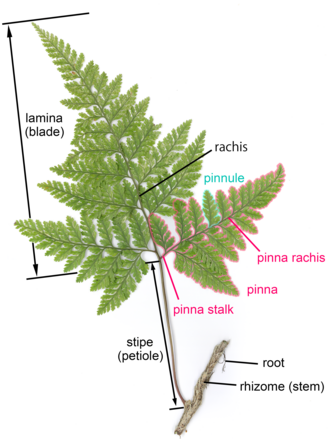
97. frond drill
97.1. Definition
- the leaf or leaflike part of a palm, fern, or similar plant.
97.2. Translation
- 엽상체
98. hitherto drill
98.1. Definition
- until now or until the point in time under discussion.
99. hedge drill
99.1. Definition
noun
- a fence or boundary formed by closely growing bushes or shrubs.
verb
- surround or bound with a hedge.
- limit or qualify (something) by conditions or exceptions.
99.2. Translation
- 방지책
- 에워싸다
100. miscarriage drill
100.1. Definition
- sudden loss of a pregnancy before the 20th week.
101. parasocial drill
101.1. Definition
- a one-sided emotional connection a person develops with a media figure they don't know personally.
102. papacy drill
102.1. Definition
- the tenure of office of a pope.
103. eviscerate drill
103.1. Definition
- disembowel
- deprive (something) of its essential content.
surgeryremove the contents of (a body organ).
103.2. Etymology
From Latin e- 'out' and viscera 'internal organs'
104. egregious drill
104.1. Definition
- outstandingly bad; shocking.
archaicremarkably good.
104.2. Etymology
From Latin ex- 'out' and grex, greg- 'flock'
104.3. Translation
- 악명 높은
105. syndicate drill
105.1. Definition
noun
- a group of individuals or organizations combined to promote some common interest.
- an association or agency supplying material simultaneously to a number of newspapers or periodicals.
- a committee of syndics.
verb
- control or manage by a syndicate.
- publish or broadcast (material) simultaneously in a number of newspapers, television stations, etc.
- sell (a horse) to a syndicate.
105.2. Etymology
From late Latin syndicus 'delegate of a corporation'
105.3. Translation
- 신디케이트
- 범죄단
- 신문 잡지 연맹을 통하여 배급하다
106. nix drill
106.1. nix¹
informal
- pronoun nothing
- exclamation expressing denial or refusal.
- verb
North Americanput an end to; cancel.
106.1.1. Etymology
From German nichts 'nothing'
106.2. nix²
rare(in folklore) a water sprite.
106.3. nix³
dated informalused as a signal or warning that a person in authority is approaching.
107. behead drill
107.1. Definition
- cut off the head of (someone), especially as a form of execution.
107.2. Etymology
From Old English be- 'off (removal)' and heafod 'head'
107.3. Translation
- 목을 베다
- 참수형에 처하다
108. anorexia drill
108.1. Definition
- an eating disorder characterized by restriction of food intake
leading to low body weight, typically accompanied by intense fear of
gaining weight and disturbed perception of body weight and image.
medicinelack or loss of appetite for food (as a medical condition).
108.2. Etymology
From Greek an- 'without' and orexis 'appetite'
108.3. Translation
- 신경성 식욕 부진증
- 식욕 감퇴
109. off-putting drill
109.1. Definition
- unpleasant, disconcerting, or repellent.
110. inoculate drill
110.1. Definition
- immunize (someone) against a disease by introducing infective
material, microorganisms, or vaccine into the body.
- introduce (an infective agent) into an organism.
- introduce (cells or organisms) into a culture medium.
110.2. Etymology
From Latin in- 'into' and oculus 'eye, bud', which together meant 'engrafted'
111. unapologetically drill
111.1. Definition
- in a manner that does not acknowledge or express regret.
111.2. Translation
- 당당하게
112. itinerary drill
112.1. Definition
- a planned route or journey.
- a travel document recording a route or journey.
112.2. Etymology
From Latin iter 'journey, road'
113. disembowel drill
113.1. Definition
- cut open and remove the internal organs of.
113.2. Translation
- 내장을 꺼내다
114. pulverize drill
114.1. Definition
- reduce to fine particles.
informal,Britishdefeat utterly
114.2. Etymology
From Latin pulvis 'dust'
114.3. Translation
- 분쇄하다
115. deflagration drill
115.1. Definition
- subsonic combustion in which a pre-mixed flame propagates through an explosive or a mixture of fuel and oxidizer
116. vociferous drill
116.1. Definition
- (especially of a person or speech) vehement or clamorous.
116.2. Translation
- 큰 소리로 고함치는
117. vehement drill
117.1. Definition
- showing strong feeling; forceful, passionate, or intense.
117.2. Translation
- 격렬한, 열렬한
118. asinine drill
118.1. Definition
- extremely stupid or foolish.
119. orifice drill
119.1. Definition
- an opening, as of a pipe or tube, or one in the body, such as a nostril or the anus.
119.2. Etymology
From Latin os, or- 'mouth' + facere 'make'
120. fornication drill
120.1. Definition
- sexual intercourse between people not married to each other.
121. palpable drill
121.1. Definition
- (of a feeling or atmosphere) so intense as to seem almost tangible.
- able to be touched or felt.
121.2. Etymology
From Latin palpare 'to feel, to touch gently'
122. hubris drill
122.1. Definition
- excessive pride or self-confidence.
- (in Greek tragedy) excessive pride toward or defiance of the gods, leading to nemesis.
122.2. Etymology
From Greek directly
122.3. Translation
- 거만
123. carcinogenic drill
123.1. Definition
- having the potential to cause cancer.
123.2. Translation
- 발암성의
124. circuitous drill
124.1. Definition
- (of a route or journey) longer than the most direct way.
124.2. Translation
- 에두르는
125. feudal drill
125.1. Definition
- according to, resembling, or denoting the system of feudalism.
- absurdly outdated or old-fashioned.
125.2. Etymology
From medieval Latin feudum 'a kind of fee'
125.3. Translation
- 영지의
- 봉토의
126. profundity drill
126.1. Definition
- deep insight; great depth of knowledge or thought.
- great depth or intensity of a state, quality, or emotion.
- a statement or idea that shows great knowledge or insight.
126.2. Translation
- 심오함
127. furlough drill
127.1. Definition
128. staid drill
128.1. Definition
129. bemoan drill
129.1. Definition
- express discontent or sorrow over (something).
130. pontificate drill
130.1. Definition
131. relish drill
131.1. Definition
- swollen and distended or congested.
- (of language or style) tediously pompous or bombastic.
131.2. Etymology
From Latin turgere 'to swell': inflected to turgidus 'swollen'
131.3. Translation
- 과장된
- 부어오른
132. turgid drill
132.1. Definition
133. suprious drill
133.1. Definition
134. breech drill
134.1. Definition
135. careen drill
135.1. Definition
North Americamove swiftly and in an uncontrolled way in a specified direction.- turn (a ship) on its side for cleaning, caulking, or repair.
- (of a ship) tilt; lean over.
135.2. Etymology
From Latin carina 'a keel'
135.3. Translation
- 기울다
- 배를 기울임
136. levee² drill
136.1. Definition
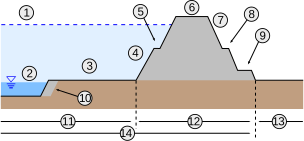
- an elevated ridge alongside the banks of a river, often intended to protect against flooding of the area adjoining the river
137. levee² drill
137.1. Definition
Merriam-Webster
- a reception held by a person of distinction on rising from bed
- an afternoon assembly at which the British sovereign or royal representative receives only men
- a reception usually in honor of a particular person
138. preposterous drill
138.1. Definition
- contrary to reason or common sense; utterly absurd or ridiculous.
138.2. Etymology
From Latin praeposterus 'reversed, absurd', from prae 'before' and posterus 'coming after'
138.3. Translation
- 터무니없는
139. levy drill
139.1. Definition
- impose (a tax, fee, or fine)
- impose a tax, fee, or fine on
- seize (property) to satisfy a legal judgment
archaicenlist (someone) for military service- begin to wage (war)
139.2. Etymology
From Old French lever 'raise', from Latin levis 'light'
140. tariff drill
140.1. Definition
- by the government of a country or by a supranational union on imports or exports of goods
140.2. Etymology
From Latin tariffe 'set price', from Ottoman Turkish تعرفه (ta'rife) 'list of prices'
140.3. Translation
- 관세
140.4. Thesaurus
- tariff
- the legal term for taxes on imports and exports
- custom
- the legal entity that governs the transportation of goods between countries
- duty
- casual way of calling the tax for imported goods
140.5. See Also
141. concussion drill
mild Traumatic Brain Injury, mTBI
141.1. Definition
- head injury that temporarily affects brain functioning.
141.2. Translation
- 뇌진탕
141.3. See Also
142. impecunious drill
142.1. Definition
- having little or no money.
142.2. Translation
- 돈이 없는
143. ferocious drill
143.1. Definition
- savagely fierce, cruel, or violent.
- (of a conflict) characterized by or involving aggression, bitterness, and determination.
informalextreme and unpleasant.
143.2. Etymology
From Latin ferox 'fierce'
143.3. Translation
- 사나운, 지독한
144. custody drill
144.1. Definition
- the protective care or guardianship of someone or something.
- imprisonment.
lawparental responsibility, especially as allocated to one of two divorcing parents.
144.2. Etymology
From Latin custos 'guardian'
144.3. Translation
- 보관, 구류
- 양육권, 보호권; 양육, 관리
144.4. Thesaurus
- in custody 체포된, 구류된
145. grimace drill
145.1. Definition
noun
- an ugly, twisted expression on a person's face, typically expressing disgust, pain, or wry amusement.
verb
- make a grimace.
145.2. Translation
- 얼굴을 찌푸림
- 얼굴을 찌푸리다
146. wince drill
146.1. wince¹
146.1.1. Definition
verb
- give a slight involuntary grimace or shrinking movement of the body out of or in anticipation of pain or distress.
noun
- a slight grimace or shrinking movement caused by pain or distress.
146.1.2. Translation
- 질겁
- 움찔하다
146.2. wince²
146.2.1. Definition
- a roller for moving textile fabric through a dyeing vat.
147. hogwash drill
147.1. Definition
- nonsense
147.2. Etymology
'kitchen swill for pigs'
148. swill drill
148.1. Definition
verb
britishwash or rinse out (an area or container) by pouring large amounts of water or other liquid over or into it.- cause (liquid) to swirl around in a container or cavity.
- (of a liquid) move or splash about over a surface.
informaldrink (something) greedily or in large quantities.- accompany (food) with large quantities of drink.
noun
- kitchen refuse and scraps of waste food mixed with water for feeding to pigs.
informalalcohol of inferior quality.
informala large mouthful of a drink.
149. commensurate drill
149.1. Definition
- corresponding in size or degree; in proportion.
149.2. Translation
- 같은 정도의
150. clamor drill
150.1. Definition
noun
- a loud and confused noise, especially that of people shouting vehemently.
- a strongly expressed protest or demand from a large number of people.
verb
- (of a group of people) shout loudly and insistently.
- make a vehement protest or demand.
150.2. Etymology
From Latin clamare 'cry out'
150.3. Disambiguation
- Claymore mine directional anti-personnel mine
151. narcolepsy drill
151.1. Definition
- a chronic neurological disorder that impairs the ability to regulate sleep–wake cycles,
152. covert drill
152.1. Definition
- not openly acknowledged or displayed.
- a thicket in which game can hide.
ornithologyany of the feathers covering the bases of the main flight or tail feathers of a bird.
152.2. Etymology
From Old French covert, past participle of covrir, 'to cover'
152.3. Translation
- 은밀한
- 숨는 장소
153. estuary drill
153.1. Definition
- the tidal mouth of a large river, where the tide meets the stream.
153.2. Etymology
From Latin aestuarium 'tidal part of a shore', from aestus, 'tide'
153.3. Translation
- 강어귀
154. bascule drill
154.1. Definition
- A counterbalanced structure having one end that rises as the other lowers.
155. indictment drill
155.1. Definition
North Americana formal charge or accusation of a serious crime.- the action of indicting or being indicted.
- a thing that serves to illustrate that a system or situation is bad and deserves to be condemned.
155.2. Translation
- 기소, 기소절차
156. stammer drill
156.1. Definition
- speak with sudden involuntary pauses and a tendency to repeat the initial letters of words.
- a tendency to stammer.
157. dilettante drill
dilətänt
157.1. Definition
- a person who cultivates an area of interest, such as the arts, without real commitment or knowledge.
archaica person with an amateur interest in the arts.
157.2. Etymology
From Italian 'person loving the arts', from Latin delectare 'to delight'
157.3. Translation
- 도락의
- 예술의 애호가
158. wring drill
158.1. Definition
- squeeze and twist (something) to force liquid from it.
- an act of squeezing or twisting something.
159. devolution drill
159.1. Definition
- the transfer or delegation of power to a lower level,
especially by central government to local or regional administration.
formaldescent or degeneration to a lower or worse state.lawthe legal transfer of property from one owner to another.biologyevolutionary degeneration.
160. protract drill
160.1. Definition
- lasting for a long time or longer than expected or usual.
161. ordeal drill
161.1. Definition
- a painful or horrific experience, especially a protracted one.
historicalan ancient test of guilt or innocence by subjection of the accused to severe pain, survival of which was taken as divine proof of innocence.
162. desist drill
162.1. Definition
- cease; abstain.
163. impertinent drill
163.1. Definition
- not showing proper respect; rude.
formalnot pertinent to a particular matter; irrelevant.
163.2. Etymology
From Latin in- 'not', pertinere 'pertain'
163.3. Translation
- 적절하지 않은
- 주제넘은
164. impudence drill
164.1. Definition
- the quality of being impudent; impertinence.
164.2. Etymology
From Latin in- 'not', pudent 'ashamed, modest', from pudere 'be ashamed'
164.3. Translation
- 뻔뻔스러움
165. sass drill
165.1. Definition
- impudence; cheek.
- be cheeky or rude to (someone).
166. haft drill
166.1. Definition
- the handle of a knife, axe, or spear
- provide (a blade, axe head, or spearhead) with a haft
166.2. Translation
- 손잡이
167. banal drill
167.1. Definition
- so lacking in originality as to be obvious and boring
167.2. Translation
- 평범한, 케케묵은
168. moiety drill
168.1. Definition
- each of two parts into which a thing is or can be divided
- a part or portion, especially a lesser share
CHEMISTRYa distinct part of a large molecule
168.2. Etymology
From Latin medius 'middle'
169. trough drill
169.1. Definition
- a long, narrow open container for animals to eat or drink out of
- a long, narrow, open container for growing plants or mixing chemicals
- a channel used to convey a liquid
- a long hollow in the earth's surface
- an elongated region of low atmospheic pressure
- a hollow between two wave crests in the sea
mathematicsa region around the minimum on a curve of variation of a quantity- a point of low activity, achievement, or satisfaction
169.2. Translation
- 구유, 물통
170. frivolous drill
170.1. Definition
- not having any serious purpose or value
- (of a person) carefree and not serious
170.2. Etymology
From Latin frivolus 'silly, trifling'
170.3. Thesaurus
- frivolously
- in a silly, unserious, or unsensible way
171. exonerate drill
171.1. Definition
- (especially of an official body) absolve (someone) from blame for a fault or wrongdoing, especially after due consideration of the case.
- release someone from (a duty or obligation)
171.2. Etymology
- From Latin ex- 'from' + onus, oner- 'a burden'
171.3. Thesaurus
- absolve 방면하다
- set or declare (someone) free from blame, guilt, or responsibility.
172. elective drill
172.1. Definition
- related to or working by emans of election
- (of a person or office) appointed or filled by election
- (of a body or position) possessing or giving the power to elect
- (of surgical or medical treatment) chosen by the patient rather than urgently necessary
- (of a course of study) chosen by the student rather than compulsory
North Americanan optional course of study
172.2. Etymology
From Latin eligere, "pink out"
172.3. Translation
- 임의로 선택할 수 있는, 선택과목
- 선거에 의한
173. regent drill
173.1. Definition
- a person appointed to administer a country because the monarch is a minor or is absent or incapacitated
North Americana member of the governing body of a university or other academic institution- acting as regent for a monarch
173.2. Etymology
From Latin regere, "rule"
173.3. Translation
- 섭정, 섭정하는
- regent class 우등생반
- In New York, Regents is offered for higher-achieving students, with Advanded or Honors designation.
174. affidavit drill
174.1. Definition
lawa written statement confirmed by oath or affirmation, for use as evidence in court.
174.2. Translation
- 선서서
175. decimate drill
175.1. Definition
- kill, destroy, or remove a large percentage or part of
- drastically reduce the stength or effectiveness of (something)
historicalkill one in every ten of (a group of soldiers or others) as a punishment for the whole group- From Latin decimus, "tenth"
176. chastise drill
176.1. Definition
- rebuke or reprimand severely
datedpunish, especially by beating
176.2. Translation
- 몹시 비난하다
176.3. Thesaurus
- scold 꾸짖다
- criticize
- rebuke
- express sharp disapproval or criticism of (someone) because of their behavior or actions
- 견책, 힐책, 견책하다, 몰아대다
- reprimand
- a rebuke, especially an official one.
- 견책 견책하다
- From Latin reprimere, "things to be held in check"
- reprove
- reprimand or censure (someone)
- 질책하다
- From Latin reprobare, "disapprove"
- upbraid
- reproach
- admonish
- warn or reprimand someone firmly
- advise or urge (someone) earnestly
archaicwarn (someone) of something to be avoided
- 타이르다, 훈계하다
- From Latin admonere, "urge by warning"
- warn or reprimand someone firmly
- chide
- censure
- express severe disapproval of (someone or something), especially in a formal statement
- 비난, 비난하다
- From Latin censere, "assess"
- castigate
- lambaste
- reprehend
- chasten
- recompense
- rate
- objurgate
- give someone a earful/mouthful/caning/…
177. per contra drill
177.1. Definition
adverb
- on the other hand; on the contrary
noun
- the opposite side of an account or an assessment
177.2. Etymology
From Italian.
178. ceteris paribus drill
caeteris paribus
178.1. Definition
Latin phrase meaning "other things equal"
179. page drill
179.1. page¹
179.1.1. Definition
noun
- one side of a sheet of paper in a collection of sheets bound together, especially as a book, magazine, or newspaper.
- the material written or printed on a page.
- a page of a newspaper or magazine set aside for a particular topic.
printingthe type set for the printing of a page.computinga section of stored data, especially that which can be displayed on a screen at one time.- a significant episode or period considered as a part of a longer history.
verb
- leaf through (a book, magazine, or newspaper).
computingmove through and display (text) one page at a time.
computingdivide (a piece of software or data) into sections, keeping the most frequently accessed in main memory and storing the rest in virtual memory.- assign numbers to the pages in (a book or periodical); paginate.
179.1.2. Etymology
From Latin pangere, 'fasten'
179.2. page²
179.2.1. Definition
noun
- a young person employed in a hotel or other establishment to run errands, open doors, etc.
- a young boy attending a bride at a wedding.
historicala boy in training for knighthood, ranking next below a squire in the personal service of a knight.historicala man or boy employed as the personal attendant of a person of rank.
verb
- ummon (someone) over a public address system, so as to pass on a message.
- contact (someone) by means of a pager.
179.2.2. Etymology
From Greek paidion, diminutive of pais, paid-, 'boy'
180. punctilious drill
180.1. Definition
- showing great attention to detail or correct behavior
180.2. Translation
- 격식을 차리는
- 쓸데없이 격식을 차리는
180.3. Etymology
From French pointille
181. exacerbate drill
181.1. Definition
- make (a problem, bad situation, or negative feeling) worse.
181.2. Translation
- 악화시키다
181.3. Etymology
- From Latin exacerbare 'make harsh', from acerbus 'harsh, bitter'
182. exasperate drill
182.1. Definition
- irritate and frustrate (someone) intensely
182.2. Translation
- 격분시키다
- 극심한 짜증을 느끼게 하다
182.3. Etymology
- From Latin exasperare 'irritate', from asper 'rough'
183. ovation drill
183.1. Definition
- a sustained and enthusiastic show of appreciation from an audience, especially by means of applause.
Roman historya processional entrance into Rome by a victorious commander, of lesser honor than a triumph.
184. euphony drill
184.1. Definition
- Effect of sounds being perceived as pleasant, rhythmical, lyrical, or harmonious.
184.2. External Link
185. grandiosity drill
185.1. Definition
psychologysense of superiority, uniqueness, or invulnerability that is unrealistic and not based on personal capability
185.2. External Link
186. confluence drill
186.1. Definition
- the junction of two rivers, especially rivers of approximately equal width
- the act oor process of merging
186.2. Translation
- 합류, 합류점
187. impunity drill
187.1. Definition
- exemption form punishment or freedom from the injurious consequences of an action
187.2. Translation
- 형을 받지 않음
188. tallow drill
188.1. Definition
- a hard fatty substance made from rendered animal fat, used in making candles and soap
archaicsmear (something, especially the bottom of a boat) with tallow
188.2. Translation
- 수지 양초
- 짐승 기름
- 수지를 바르다
189. shimmer drill
189.1. Definition
- shine with a soft tremulous light.
- a soft, slightly wavering light.
189.2. Translation
- 반짝임
- 흔들리는 상
- 희미하게 반짝이다
- 흔들리다
190. subvert drill
190.1. Definition
- undermine the power and authority of (an established system or institution).
190.2. Etymology
From Latin sub- ,'from below' and vertere, 'to turn'
191. stroppy drill
191.1. Definition
- bad-tempered and argumentative
192. contraband drill
192.1. Definition
- illegally imported or exported goods
193. unkempt drill
193.1. Definition
- (especially of a person) having an untidy or disheveled appearance.
193.2. Translation
빗질하지 않은, 깔끔하지 못한
194. clove drill
194.1. clove¹
194.1.1. Definition
clove gillyflower
- the dried flower bud of a tropical tree, used as a pungent aromatic spice.
- aromatic analgesic oil extracted from the clove and used medicinally, especially for the relief of dental pain.
- the Indonesian tree from which cloves are obtained.
- a clove-scented pink which is the original type from which the carnation and other double pinks have been bred.
194.1.2. Translation
정향
194.2. clove²
194.2.1. Definition
- any of the small bulbs making up a compound bulb of garlic, shallot, etc.
194.2.2. Translation
(마늘) 한 쪽
195. cleave drill
195.1. cleave¹
195.1.1. Definition
cleavecleaves-clove/cleft/cleaved-cloven-cleaving
- split or sever (something), especially along a natural line or grain.
- split (a molecule) by breaking a particular chemical bond.
biology(of a cell) divide.- make a way through (something) forcefully, as if by splitting it apart.
195.1.2. Translation
쪼개다
195.2. cleave²
195.2.1. Definition
- stick fast to
- adhere strongly to (a particular pursuit or belief).
- become very strongly involved with or emotionally attached to (someone).
196. precocious drill
196.1. Definition
- (of a child) having developed certain abilities or proclivities at an earlier age than usual.
- (of behavior or ability) indicative of early development.
- (of a plant) flowering or fruiting earlier than usual.
196.2. Translation
조숙한
196.3. Etymology
From Latin praecox, praecoc- (from praecoquere 'ripen fully', from prae 'before' + coquere 'to cook') + -ious.
197. vagary drill
197.1. Definition
noun
- an unexpected and inexplicable change in a situation or in someone's behavior.
197.2. Translation
- 엉뚱한 짓
197.3. Etymology
From Latin vagari 'wander'.
197.4. Synonyms
197.4.1. capricious
- given to sudden and unaccountable changes of mood or behavior
- 변덕스러운
198. imposture drill
198.1. Definition
- an instance of pretending to be someone else in order to deceive others.
198.2. Translation
사기
198.3. Etymology
via French from late Latin impostura, from Latin imposit- 'imposed upon', from the verb imponere
199. redound drill
199.1. Definition
- contribute greatly
200. unscrupulous
200.1. Definition
- having or showing no moral principles; not honest or fair.
- lacking moral standards or conscience to guide one's conduct
201. fauna
201.1. Definition
- All animals in a particular region, or period.
201.2. Example
- flora and fauna: plants and animals in the broadest sense.
202. regal
202.1. Definition
- of, resembling, or fit for a monarch, especially in being magnificent or dignified.
202.2. Etymology
- From latin, regalis, from reg-, rex, 'king'
202.3. Translation
- 품위 있는
203. squalid drill
203.1. Definition
- (of a place) extremely dirty and unpleasant, especially as a result of poverty or neglect.
204. insipid drill
204.1. Definition
- lacking flavor
205. amnesia drill
205.1. Translation
- 기억상실증
206. larceny drill
206.1. Definition
- theft of personal property.
206.2. Translation
- 절도죄
207. petrified
207.1. Definition
- so frightened that one is unable to move; terrified.
- (of organic matter) changed into a stony substance; ossified
207.2. Translation
- 석화된
208. gait drill
208.1. Definition
- a person's manner of walking.
- the paces of an animal, especially a horse or dog.
209. meritorious drill
209.1. Definition
- deserving reward or praise.
North American law(of an action or claim) likely to succeed on the merits of the case.
209.2. Translation
- 가치 있는, 공훈 있는
210. insomnia
210.1. Translation
- 불면증
211. flagrant drill
211.1. Definition
- of something considered wrong or immoral) conspicuously or obviously offensive.
211.2. Translation
- 악명 높은
212. epithet drill
212.1. Definition
- an adjective or descriptive phrase expressing a quality characteristic of the person or thing mentioned.
- an epithet as a term of abuse.
212.2. Translation
- 별명, 형용어구
213. decadent
213.1. Definition
- characterized by or reflecting a state of moral or cultural decline.
- luxuriously self-indulgent.
213.2. Translation
- 퇴폐적인
214. innocuous
214.1. Definition
- not harmful or offensive.
214.2. Etymology
- From latin in-, 'not' and nocuus, 'injurious'
215. tenacity drill
215.1. Definition
- the quality or fact of being able to grip something firmly; grip.
- the quality or fact of being very determined; determination.
- the quality or fact of continuing to exist; persistence
215.2. Translation
- 끈기
216. adage drill
216.1. Definition
- a proverb or short statement expressing a general truth.
216.2. Etymology
- From Latin, adagium, 'saying', from aio, 'I say'.
217. heresy
217.1. Translation
- 이단
218. substantive
218.1. Definition
- having a firm basis in reality and therefore important, meaningful, or considerable.
- having a separate and independent existence.
- (of law) defining rights and duties as opposed to giving the rules by which such things are established.
- (of a dye) not needing a mordant
218.2. Translation
- 실사, 실명사, 명사로 쓰여진?
219. blasphemy
219.1. Translation
- 신성모독
220. distraught drill
220.1. Definition
- deeply upset and agitated.
220.2. Translation
- 정신이 혼미한
221. corpus
221.1. Definition
- From Latin, corpus, meaning body.
- a collection of written texts, especially the entire works of a particular author or a body of writing on a particular subject.
- a collection of written or spoken material in machine-readable form, assembled for the purpose of studying linguistic structures, frequencies, etc.
anatomythe main body or mass of a structure.
222. Pterodactyl
222.1. Definition
- An informal way of saying Pterodactylus or sometimes even the order Pterosauria.
223. noxious
223.1. Definition
- harmful, poisonous, or very unpleasant.
223.2. Translation
- 유해한, 유독한
224. retentive drill
224.1. Definition
- (of a person's memory) having the ability to remember facts and impressions easily.
- (of a substance) able to absorb and hold moisture.
medicineserving to keep something in place.
225. zest
225.1. Definition
noun
- great enthusiasm and energy.
- a quality of excitement and piquancy.
- the outer colored part of the peel of citrus fruit, used as flavoring.
verb
- scrape off the outer colored part of the peel of (a piece of citrus fruit) for use as flavoring.
225.2. Etymology
- From French zeste ‘orange or lemon peel’
225.3. Translation
- 풍미, 묘미
226. chum
226.1. Definition
- a close friend
227. hemorrhoid
227.1. Translation
- 치칠
228. vanquish
228.1. Definition
- defeat thoroughly
229. caress
229.1. Definition
- touch or stroke gently or lovingly.
- a gentle or loving touch.
229.2. Translation
- 애무, 애무하다